

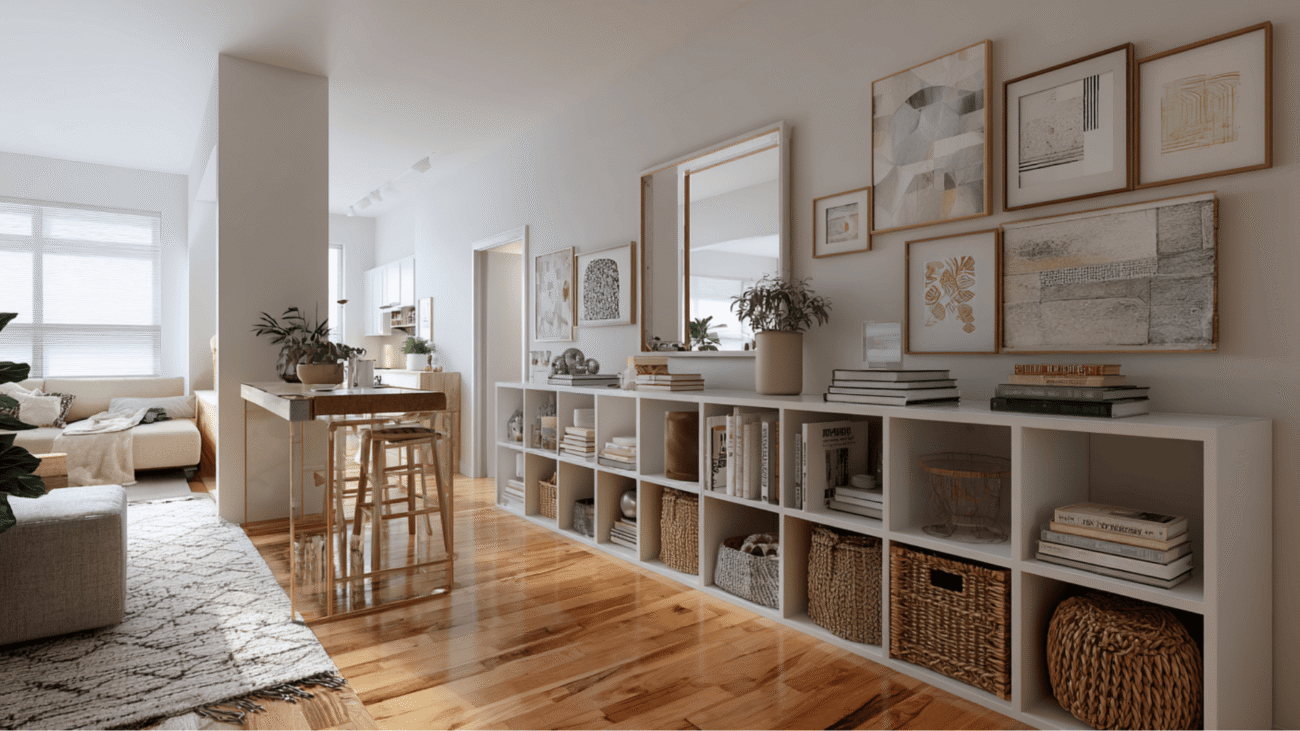
Living in a studio apartment can be both exciting and challenging. For many people, especially in large cities where rent prices are high, studio apartments provide an affordable and practical housing option. However, a studio apartment usually combines the bedroom, living room, dining area, and sometimes even the workspace into a single open space. Without proper organization and planning, the apartment can quickly feel cramped and cluttered.
The good news is that a small space does not have to feel limiting. In fact, with the right strategies, a studio apartment can become one of the most efficient and functional living spaces imaginable. The key lies in using space intelligently and designing your apartment so that every piece of furniture and every corner serves a purpose.
Functional living in a studio apartment means maximizing comfort, improving storage, maintaining organization, and ensuring the space adapts to different activities throughout the day. When done correctly, a studio apartment can feel open, organized, and stylish despite its limited square footage.
This guide explores three essential studio apartment space hacks that can transform a compact apartment into a well-organized and functional home. Along the way, you will find helpful tables, visual comparisons, and practical strategies that make it easier to implement these ideas in real life.
Understanding Functional Living in a Studio Apartment
Before diving into the hacks, it is important to understand what functional living actually means in the context of a studio apartment.
Functional living is the ability of a space to support multiple activities efficiently without causing clutter or discomfort. Since studio apartments lack separate rooms, each section of the apartment must perform multiple roles.
For example:
- The sofa may double as a guest bed.
- The dining table may also serve as a workspace.
- The bed may contain built-in storage underneath.
When these elements are combined thoughtfully, the apartment becomes far more efficient.
Common Challenges in Studio Apartments
| Challenge | Description | Impact |
|---|---|---|
| Limited storage | Not enough cabinets or closets | Leads to clutter |
| Multi-purpose rooms | One room for all activities | Hard to organize |
| Small floor area | Limited walking space | Furniture congestion |
| Lack of privacy | No separate rooms | Reduced comfort |
| Poor furniture layout | Items placed randomly | Inefficient space use |
These challenges are common, but they can be solved with the right strategies.
The following three essential space hacks focus on solving these problems while improving everyday living.
Hack 1: Invest in Multi-Functional Furniture
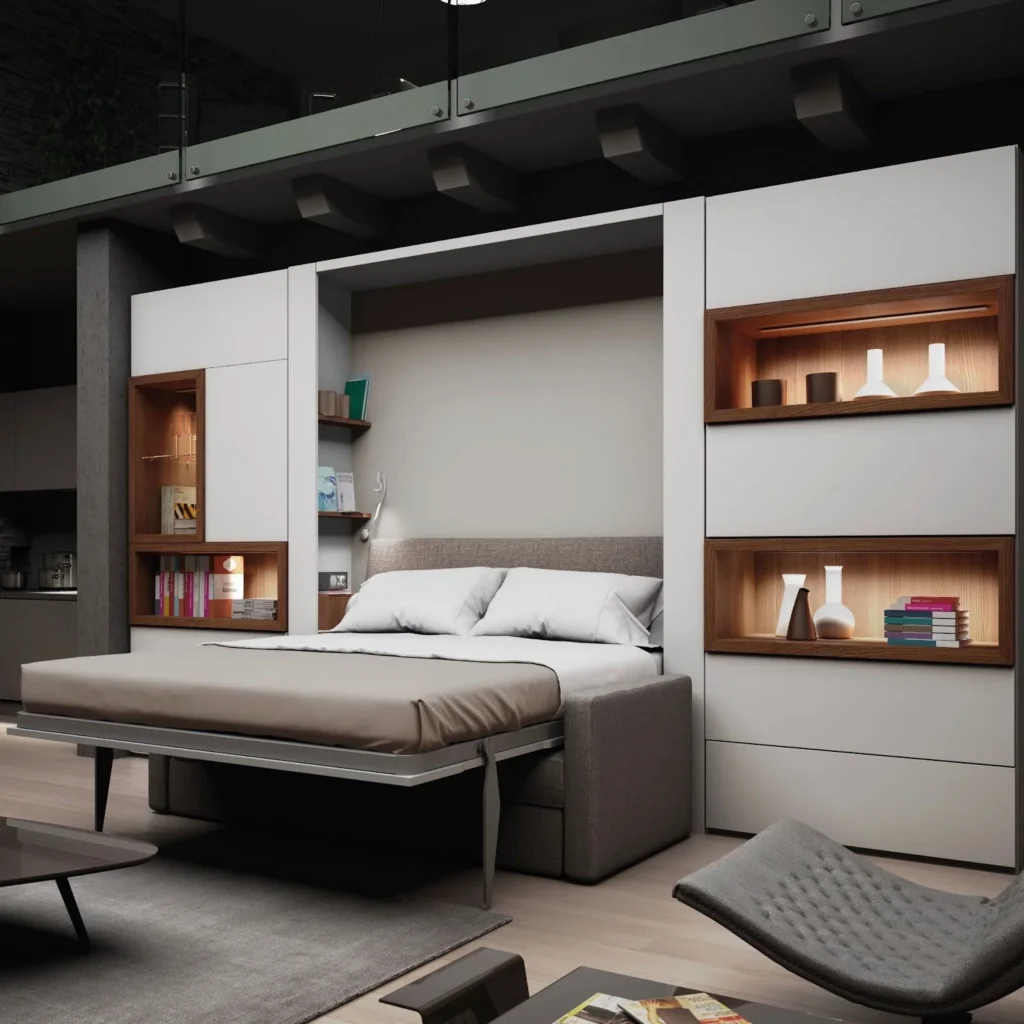
The most important rule of studio apartment living is simple:
Every piece of furniture should serve more than one purpose.
Traditional furniture is designed for single functions, but in small apartments, this approach wastes valuable space. Multi-functional furniture allows you to combine several functions into one item, reducing clutter and improving flexibility.
For example, instead of having a separate sofa and bed, you can choose a sofa bed that converts into a sleeping area at night.
Similarly, a coffee table with built-in storage can store books, blankets, or electronics.
Examples of Multi-Functional Furniture
| Furniture | Primary Use | Secondary Use | Space Efficiency |
|---|---|---|---|
| Sofa Bed | Seating | Sleeping | Very High |
| Storage Ottoman | Footrest | Hidden storage | High |
| Foldable Desk | Workstation | Wall storage | High |
| Bed with Drawers | Sleeping | Storage | Very High |
| Expandable Dining Table | Eating | Workspace | Medium |
Why Multi-Functional Furniture Works
Multi-functional furniture reduces the number of objects in your apartment. When fewer items occupy the floor, the space feels larger and more organized.
Additionally, these pieces often include hidden storage compartments that help keep items out of sight.
Example Layout Using Multi-Functional Furniture
| Area | Furniture | Function |
|---|---|---|
| Living Area | Sofa bed | Seating + sleeping |
| Dining Area | Foldable table | Eating + workspace |
| Entry Area | Storage bench | Seating + shoe storage |
| Bedroom Area | Bed with drawers | Sleeping + clothing storage |
Choosing the Right Pieces
When selecting multi-functional furniture, consider the following factors:
- Size compatibility – The furniture should fit the apartment comfortably.
- Ease of transformation – Folding or converting should be simple.
- Storage capacity – Hidden compartments are extremely valuable.
- Durability – Since these items serve multiple purposes, quality matters.
Multi-Functional Furniture Impact Chart
| Factor | Traditional Furniture | Multi-Functional Furniture |
|---|---|---|
| Number of furniture pieces | High | Low |
| Storage capacity | Limited | High |
| Floor space usage | High | Low |
| Flexibility | Low | High |
This is why interior designers almost always recommend multi-functional furniture for studio apartments.
Hack 2: Use Vertical Space for Smart Storage
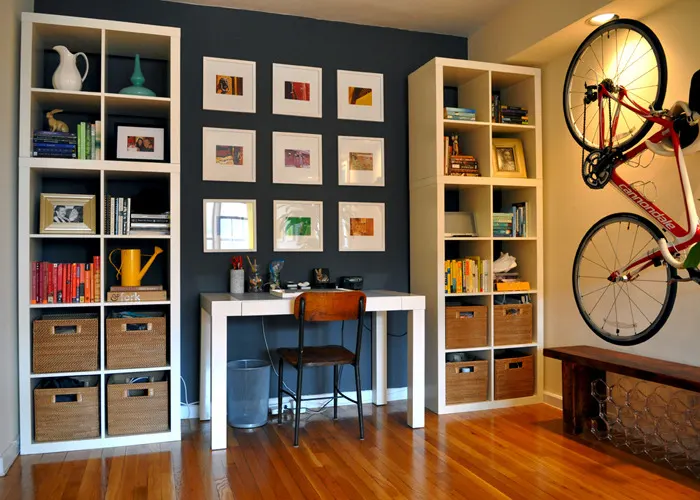
When floor space is limited, the smartest solution is to build upward.
Vertical storage allows you to use walls efficiently without overcrowding the apartment.
Many people underestimate how much storage potential exists on their walls. By installing shelves, racks, and cabinets, you can free up a large amount of floor space.
Vertical Storage Ideas
Some of the most practical vertical storage solutions include:
- Floating shelves
- Tall bookcases
- Wall-mounted kitchen racks
- Hanging baskets
- Pegboards
- Over-door organizers
These solutions work particularly well in areas such as kitchens, bathrooms, and workspaces.
Vertical Storage Possibilities by Room
| Area | Storage Solution | Items Stored |
|---|---|---|
| Kitchen | Hanging rack | Pots and utensils |
| Living room | Floating shelves | Books and decor |
| Workspace | Pegboard | Office tools |
| Bathroom | Tall cabinet | Toiletries |
| Entryway | Wall hooks | Bags and coats |
Benefits of Vertical Storage
- Maximizes unused wall space
- Keeps floors clear
- Improves organization
- Makes rooms appear taller
When objects are stored vertically, the apartment looks cleaner and more spacious.
Vertical Storage Efficiency Chart
| Storage Type | Floor Space Used | Storage Capacity | Accessibility |
|---|---|---|---|
| Traditional cabinets | Medium | Medium | Easy |
| Under-bed storage | Low | High | Moderate |
| Wall shelves | None | High | Easy |
| Hanging racks | None | Medium | Easy |
Vertical storage is especially effective in studio apartments because it keeps essential items within reach without overcrowding the room.
Hack 3: Create Functional Zones Within One Room
One of the biggest challenges in a studio apartment is the lack of separate rooms. Everything happens in the same open space, which can lead to confusion and clutter.
The solution is zoning.
Zoning means dividing your apartment into functional areas even without walls.
This can be done using visual elements and furniture placement.
Common Studio Apartment Zones
| Zone | Purpose | Typical Furniture |
|---|---|---|
| Sleeping zone | Rest and relaxation | Bed, nightstand |
| Living zone | Entertainment | Sofa, coffee table |
| Work zone | Productivity | Desk, chair |
| Dining zone | Meals | Small table |
Creating zones makes the apartment feel organized and structured.
Methods for Creating Zones
Several design strategies can help define separate areas in a studio apartment.
Rugs
Rugs are one of the easiest ways to define spaces. For example, placing a rug under the sofa can create a living room area.
Furniture placement
Bookshelves, sofas, or storage units can act as natural dividers.
Curtains
Curtains can separate sleeping areas from living spaces.
Room dividers
Folding screens or open shelving units can divide the space while still allowing light to pass through.
Zoning Layout Example
| Section | Layout Strategy | Result |
|---|---|---|
| Bed area | Curtain divider | Privacy |
| Living area | Sofa facing TV | Relaxation space |
| Workspace | Desk near window | Natural lighting |
| Dining area | Small table near kitchen | Efficient use |
Visual Balance Chart
| Design Element | Impact on Space |
|---|---|
| Rugs | Defines zones |
| Open shelving | Divides space without blocking light |
| Curtains | Adds privacy |
| Lighting | Highlights specific areas |
Zoning makes the apartment feel like it has multiple rooms even though it technically does not.
Combining the Three Hacks for Maximum Efficiency
While each hack is powerful on its own, the real transformation happens when all three strategies work together.
For example:
- Multi-functional furniture reduces clutter.
- Vertical storage increases capacity.
- Zoning organizes the layout.
Combined Efficiency Table
| Strategy | Space Saved | Organization Level | Comfort |
|---|---|---|---|
| Multi-Functional Furniture | High | High | High |
| Vertical Storage | Medium | High | Medium |
| Functional Zoning | Medium | High | High |
Together, these strategies create a balanced and efficient living environment.
Additional Tips for Studio Apartment Living
Even though the three hacks above are essential, a few additional techniques can further improve your apartment.
Use Mirrors
Mirrors reflect light and make small spaces feel larger.
Choose Light Colors
Light colors such as white, beige, and light gray make rooms appear brighter and more open.
Keep Decor Minimal
Too many decorative items can make a small apartment feel cluttered.
Use Foldable Furniture
Items such as folding chairs and wall-mounted tables can be stored away when not in use.
Example Functional Studio Apartment Layout
Below is an example layout for a 400-square-foot studio apartment.
| Area | Furniture | Strategy Used |
|---|---|---|
| Entryway | Wall hooks + bench | Vertical storage |
| Living space | Sofa bed | Multi-functional |
| Workspace | Foldable desk | Flexible use |
| Sleeping area | Platform bed | Storage underneath |
| Dining area | Small table | Zoning |
This layout ensures that every area of the apartment has a clear purpose.
Final Thoughts
Studio apartment living requires creativity, planning, and thoughtful design. While the limited space may seem challenging at first, it can also encourage a more organized and efficient lifestyle.
By focusing on multi-functional furniture, vertical storage, and functional zoning, you can transform even the smallest studio apartment into a comfortable and stylish home.
The key is to make every inch of space work for you. When furniture serves multiple purposes, walls are used for storage, and the room is divided into clear zones, the apartment becomes far more livable.
Small spaces do not have to feel restrictive. With the right strategies, they can feel cozy, modern, and highly functional.
Frequently Asked Questions (FAQs)
1. What is the most important space hack for studio apartments?
The most important space hack is using multi-functional furniture. Items like sofa beds, storage ottomans, and foldable desks allow a single piece of furniture to serve multiple purposes.
2. How can I make a studio apartment look bigger?
Using light colors, mirrors, vertical storage, and minimal furniture can make a studio apartment feel more spacious.
3. How do I separate the bedroom area in a studio apartment?
You can use curtains, rugs, open shelving units, or folding screens to create a visual separation between the sleeping area and the rest of the apartment.
4. Is vertical storage really effective in small apartments?
Yes. Vertical storage maximizes wall space, which helps free up valuable floor space while keeping items organized.
5. What furniture should I avoid in a studio apartment?
Avoid oversized furniture and bulky cabinets. These items consume too much floor space and make the apartment feel cramped.
6. How often should I declutter a studio apartment?
Decluttering every few months is recommended. Regularly removing unused items helps maintain a clean and organized living space.