

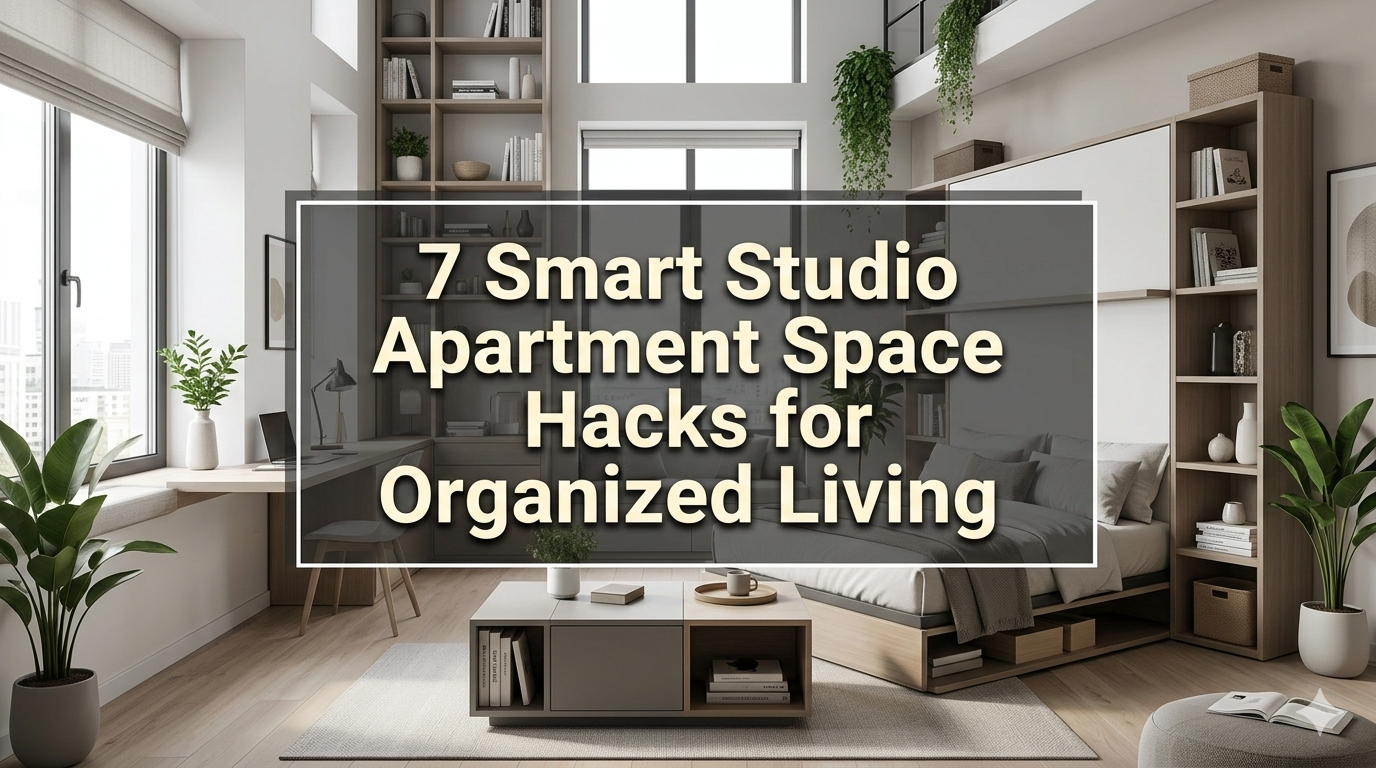
Your Small Space Has More Potential Than You Think
Living even in a modern studio apartment feels like solving a puzzle every single morning.
As it’s known, “small living” is becoming a trend these days. More and more people opt for small apartments with lower rent, easier maintenance, and a more straightforward lifestyle. However, such living only seems beneficial when everything is correctly planned.
The logic of living in a small area is a challenge, and we are the ones who should gracefully accept it.
This article is designed for everyone living in a studio apartment and not enjoying it. The hacks are drawn from nine efficient studio apartment space-oriented decisions created in real life. All tips are extremely practical and budget-friendly, meaning everyone, even those who rent and cannot alter much, can use them.
Let’s start.
Why Studio Apartment Organization Matters More Than You Think
Before diving into the hacks, let me explain why this is worth your attention.
Cluttered apartments not only look awful but also ruin your mood, focus, and anxiety levels. When your living room, bedroom, kitchen, and working space all share 400–600 square feet, you’ve got scattered stuff from corner to corner.
Research from environmental psychology demonstrates that individuals are more anxious and much less productive in cluttered, limited rooms. This is no surprise. If you have a messy bedroom, you are likely to feel awkward, anxious, or annoyed.
A well-organized studio apartment also:
- Reduces daily stress from searching for things
- Helps you keep surfaces clean and functional
- Makes you feel comfortable having friends over for dinner
- Lets you actually relax while living in your own home
And here’s the best part: you don’t need to spend thousands of dollars on renovation. You just need to approach it differently.
Hack #1: Build Upward, Not Outward
Many studio apartments have an enormous amount of vertical space that goes unused. The average US ceiling is 8 to 9 feet tall. Most furniture goes up 4 to 5 feet. That leaves a massive gap of wasted space above your head.
Go Floor-to-Ceiling With Shelving
Install shelves all the way up to your ceiling. Keep items you don’t use often on the top shelves — seasonal clothes, extra bedding, a book you’ve already read. IKEA’s KALLAX and Billy systems are ideal for this.
Stack, Don’t Spread
Instead of getting a wide but low dresser, buy a tall, narrow one. Instead of spreading out pots and pans in a wide cabinet, use stackable containers. Wall-mounted pegboards are great for the kitchen — you can hang pots, pans, utensils, and even spice jars. You’re freeing up drawer and counter space completely.
| Level | What to Store | Method |
|---|---|---|
| Near ceiling | Seasonal / rarely used items | High shelves / storage bins |
| Eye level | Daily items, books, decor | Open shelves / floating shelves |
| Waist level | Kitchen tools, work supplies | Pegboards, wall-mounted organizers |
| Floor level | Shoes, bags, cleaning tools | Baskets, shoe racks |
Going vertical costs very little and instantly gives you more usable space.
Hack #2: Make Every Piece of Furniture Do Two Jobs
There is no room for single-purpose furniture in a studio apartment.
Every piece should do at least two jobs. This concept, referred to as multifunctional furniture, is one of the most potent tools in the arsenal of small space living. If you’re just getting started, Studio Apartment Setup is a great resource for layout ideas and furniture recommendations tailored to compact spaces.
The Bed That Hides Your Stuff
Your bed occupies the most real estate in your apartment. So it should also support the most storage.
Bed frames with built-in drawers underneath are super useful. You can stash clothes, extra linens, shoes, or workout gear under your mattress. If your current bed frame lacks built-in drawers, use flat storage bins on wheels that roll underneath.
A Murphy bed (also known as a wall bed) is another game-changer. It folds up against the wall during the day, returning the entire floor of your sleeping space. With a fold-down desk or couch attached to the same unit, it becomes a bedroom, office, and living room all in one space.
Ottomans That Open Up
Swap out your coffee table for a large storage ottoman. You get a surface to set drinks and snacks on, a footrest, extra seating whenever guests come over, and hidden storage inside. That’s four functions in one piece of furniture.
The Dining Table That Disappears
If you don’t cook at home daily, a fold-down wall-mounted table is ideal. It folds out when you need it. When you don’t, it lies flat against the wall and disappears.
Drop-leaf tables operate on a similar principle. They’re narrow to begin with, until you need more surface area — then they expand out.
| Furniture Piece | Regular Version | Smart Version | Function Gained |
|---|---|---|---|
| Bed | Standard frame | Frame with drawers | Under-bed storage |
| Coffee table | Solid table | Storage ottoman | Seating + hidden storage |
| Dining table | Full-size table | Fold-down wall table | Floor space when not in use |
| Sofa | Regular sofa | Convertible sofa | Guest sleeping space |
| Desk | Standard desk | Wall-mounted fold-down | Floor space recovery |
Hack #3: Give Your Space Some Definition (Without Walls)
One of the harder parts of studio living is that everything happens in one room.
You eat, sleep, work, unwind, and exercise all in the same area. Without any separation, this can cause the apartment to feel chaotic and mentally draining.
The solution is zoning — establishing defined territories that feel separate even though no wall exists.
Rugs Are the Best Zone Dividers
A large rug under your couch and coffee table creates a “living room.” A different rug under your bed defines the “bedroom.” This simple visual divide helps your brain transition between modes as you move from one space to the next.
Pick rugs that complement each other but are not identical. This establishes clear areas while still keeping a cohesive overall look.
Furniture Placement as a Divider
The back of a bookshelf or sofa can serve as a room divider. Position your couch facing away from where you sleep. The back of the couch becomes a natural visual wall between the lounging zone and your sleep zone.
Open shelving units work the same way. They divide the space while allowing light to pass through, so the apartment doesn’t feel broken up or dark.
Curtains and Canopies for the Bedroom Zone
Hang sheer curtains around your bed using a ceiling-mounted curtain rod for a cozy, somewhat enclosed feeling in your sleeping area. This is particularly helpful if you work from home and need to mentally “leave” the office at the end of the day.
Bed canopies do something similar — and they look great while doing it.
Lighting to Reinforce Zones
Use different lighting in each zone. Soft, dim lighting near the bed. Brighter, cooler lighting over the workspace. This signals to your brain what mode to be in depending on where you’re standing.
Smart bulbs like Philips Hue allow you to control each zone individually without any hassle.
Hack #4: Use the Hidden Power of Doors and Walls
Most people look at a door and see a door. Smart studio apartment dwellers see storage space.
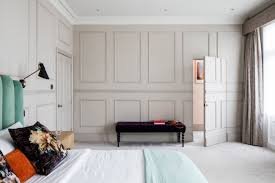
The back of every door in your apartment — bathroom, closet, front entry — is prime real estate that’s sitting completely empty. That’s a missed opportunity.
Over-the-Door Organizers
These are plastic or fabric pocket panels that hang over the top of any door. They’re perfect for:
- Bathroom door: Toiletries, hair tools, cleaning products
- Closet door: Shoes, scarves, belts, small bags
- Kitchen cabinet doors: Spices, foil and wrap boxes, cutting boards
- Front entry: Keys, mail, sunglasses, sunscreen
Over-the-door organizers are inexpensive (most range from $10 to $25), use zero floor space, and can be removed without harming the door.
Magnetic Strips and Hooks on Walls
A magnetic knife strip in the kitchen keeps your knives off the counter and easy to grab. The same idea works in the bathroom — a small magnetic strip holds bobby pins, nail clippers, and tweezers without taking up any drawer space.
Command hooks on walls and inside cabinets let you hang things that would otherwise pile up on surfaces. Mugs, hats, bags, headphones, charging cables — all of it can hang neatly instead of sitting in a heap.
Inside Cabinet Doors
Stick small wire racks or adhesive hooks to the inside of cabinet doors. Use them to hold pot lids, cutting boards, cleaning sprays, or small tools. This effectively doubles the storage capacity of any cabinet without adding a single inch of new furniture.
Hack #5: Declutter With Intent (The Edit Method)
If you own too much stuff, no storage hacks will help.
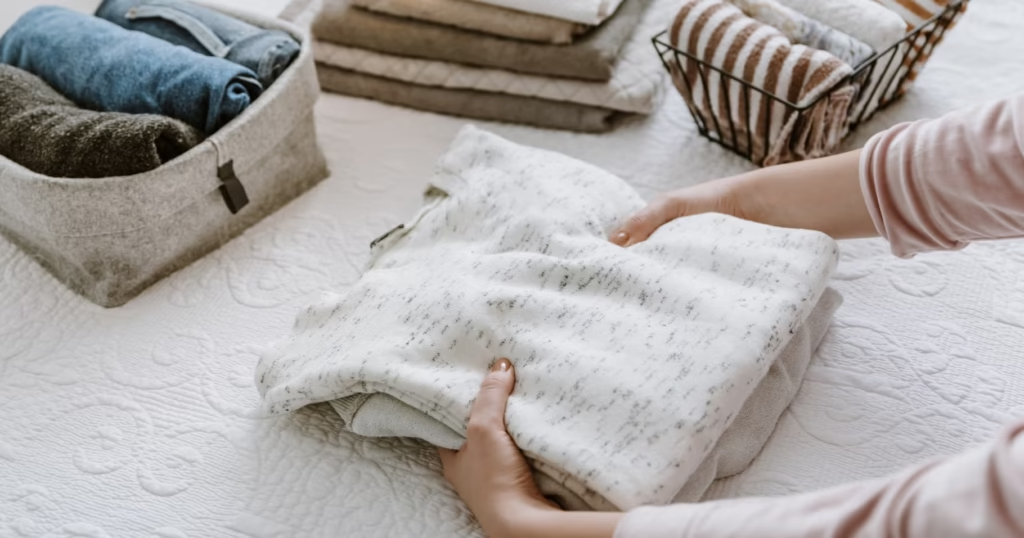
It’s a hard truth, but an important one. Organizing a studio apartment starts with owning less. Not nothing — just less.
The “Edit” Approach to Decluttering
Forget intense Marie Kondo sessions that take an entire weekend. The Edit Method is simpler:
When you bring something new into the apartment, one old thing goes out.
Buy a new shirt? An old one gets donated. Get a new kitchen gadget? An old one goes. This keeps your belongings at a steady level without needing a massive purge.
The Three-Box Method for Your First Big Sort
If your apartment is already cluttered, start with one zone at a time using three boxes:
- Keep — Things you use often and love
- Donate/Sell — Gently used items you no longer need
- Trash — Things that are broken or unusable
Do one zone per day: closet, kitchen, bathroom, under the bed. Don’t try to do it all at once.
What to Actually Get Rid Of
| Category | Common Items to Cut | What to Keep |
|---|---|---|
| Clothes | Duplicates, items not worn in a year | Versatile, flattering pieces |
| Kitchen | Single-use gadgets, chipped dishes | Multi-use tools, full sets |
| Papers | Old mail, receipts, magazines | Important documents (stored digitally when possible) |
| Decor | Random knick-knacks | A few meaningful, intentional pieces |
| Toiletries | Expired products, samples | Daily-use essentials |
Less stuff means more space. More space means less stress. It’s that simple.
Hack #6: Make Light and Mirrors Work for You
Perhaps the biggest complaint about studio apartments is that they feel dark and boxed-in.
The right use of light and mirrors can change this completely. A well-lit, bright apartment always feels bigger and more open than a dark one — even if they share the exact same square footage.
Natural Light Is Free — Stop Blocking It
Many people drape heavy curtains or blinds over their windows, blocking out natural light. Instead, opt for sheer or light-filtering curtains that let daylight in while still offering privacy.
Keep the area near windows clear of tall furniture that could block the light from spreading into the room.
Mirrors Double Your Space Visually
A large mirror on one wall makes every room feel twice as big. It reflects both light and the rest of the room, creating a visual impression of more depth.
The best spots for mirrors in a studio apartment:
- Opposite a window — bounces natural light around the room
- Along one full wall — creates a dramatic space-expanding effect
- Behind shelves or furniture — adds depth to a heavy furniture wall
Mirrored closet doors are a practical and stylish way to achieve this effect without buying a separate mirror.
Layer Your Lighting
One overhead light is not enough. Layer your lighting with:
- Ambient lighting — the main ceiling light
- Task lighting — desk lamps, under-cabinet kitchen lights
- Accent lighting — string lights, floor lamps, LED strips
Layered lighting gives you control over the mood of the space and makes it feel thoughtfully designed, not just functional.
Hack #7: Build a System, Not Just a Setup
The difference between a studio that stays organized and one that devolves into chaos is a system.
Setting up good storage is a first step. But without a routine and system behind it, everything drifts back toward clutter within weeks.
The “Everything Has a Home” Rule
Every single item in your apartment should have one specific place where it lives. Not a general area — an exact spot. Keys go on the hook by the door. Remote goes in the basket on the coffee table. Phone charger stays on the bedside table.
When everything has a home, you always know where to find things. And, most importantly, you always know where to put things back.
The 10-Minute Daily Reset
At the end of each day (or every morning), spend 10 minutes returning everything to where it belongs. This simple habit stops the gradual build-up of untidiness that culminates in a chaotic mess by the weekend.
A 10-minute reset is far less daunting than a 3-hour weekend clean. This is the most underrated studio apartment hack on this entire list.
Weekly, Monthly, and Seasonal Reviews
| Frequency | Task |
|---|---|
| Daily | 10-minute reset, do the dishes, clear surfaces |
| Weekly | Vacuum, laundry, wipe down kitchen and bathroom |
| Monthly | Check for clutter build-up, re-organize one zone |
| Seasonally | Swap seasonal items, declutter, deep clean |
Follow this schedule and your apartment will stay tidy without ever needing a massive overhaul.
All 7 Hacks at a Glance
| # | Hack | Key Action |
|---|---|---|
| 1 | Build Upward | Use vertical space with tall shelves and wall mounts |
| 2 | Multifunctional Furniture | Every piece does at least two jobs |
| 3 | Create Zones | Define areas with rugs, furniture, and lighting |
| 4 | Doors and Walls | Hang organizers, hooks, and strips on every surface |
| 5 | Declutter Strategically | Own less using the Edit Method |
| 6 | Light + Mirrors | Brighten the space and add visual depth |
| 7 | Build a System | Daily reset + everything has a home |
Studio Apartment Space Hacks — FAQs
Q1: What’s the best studio apartment space hack for renters who can’t drill holes?
Command strips and adhesive hooks are your best friends. They hold a surprising amount of weight, come off cleanly without damaging walls, and work on most surfaces. Over-the-door organizers also require zero drilling. Without so much as a drill, you can optimize nearly every wall and door in your apartment.
Q2: What can I do to make a studio apartment not feel like one room?
Zoning is the answer. Use area rugs to delineate separate spaces, position furniture back-to-back as natural dividers, and use different lighting in each zone. Curtains around the sleeping area also help create a sense of a separate room without requiring any construction.
Q3: Should I invest in expensive multifunctional furniture for a studio?
It varies according to your budget and how long you plan to stay. A Murphy bed with a built-in sofa is a big investment but pays off quickly in daily livability. For budget-conscious renters, start small — a storage ottoman and a bed with built-in drawers are affordable additions that make a huge difference.
Q4: How frequently should I declutter a studio apartment?
A small declutter review every month keeps things manageable. A more thorough seasonal edit (every 3 months or so) handles the rest — switching out seasonal clothes, tossing expired items, and reassessing what you really use. The secret is consistency, not intensity.
Q5: Do studio apartment space hacks work in a very small space (under 300 square feet)?
Absolutely. In fact, these hacks matter even more in a smaller space. At that size, the vertical storage hack and multifunctional furniture become crucial. Murphy beds, wall-mounted fold-down desks, and compact appliances become less optional and more necessary. With the right setup, it’s entirely possible to live comfortably in 250–300 square feet.
Q6: What colors make a studio apartment look bigger?
Light, neutral colors — white, cream, light grey, and soft beige — bounce more light around the room and make walls feel farther apart. If you love color, introduce it through accessories and textiles rather than painting all four walls a dark tone. One accent wall in a deeper shade can give the room personality without making it feel smaller.
The Bottom Line: Small Space, Big Life
Living in a studio apartment doesn’t mean living small in terms of quality of life.
Those who flourish in studio apartments are not the ones who merely put up with the drawbacks. They’re the ones who get creative, use the space wisely, and develop habits that keep things in order.
Start with one hack. It might mean adding some vertical shelving or swapping your coffee table for a storage ottoman. Get comfortable with that change, then introduce the next one.
You don’t need to change everything all at once. Small, consistent progress adds up over time. In a few months, you’ll look around and realize your studio apartment feels completely different — more open, better organized, and genuinely enjoyable to come home to.
The space didn’t change. Your approach to it did. And that makes all the difference.