

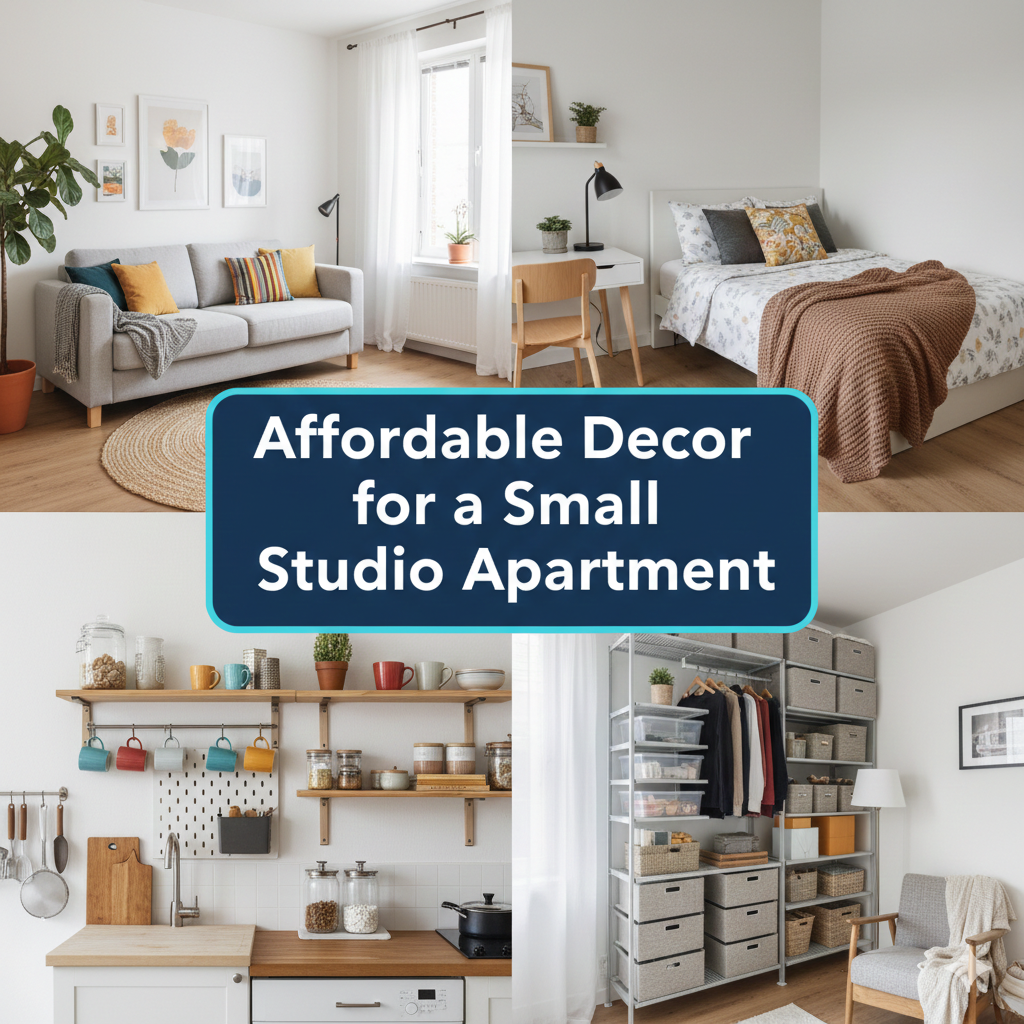
Living in a studio apartment doesn’t mean living small in spirit.
Millions of people worldwide live in studio apartments. Whatever the case may be, if you’re a student in college, someone new to work, or just someone who likes their living cost low and cozy atmosphere high, a studio apartment can be all you need — if you know how to set it up properly.
The biggest challenge? One room serves the function of many.
Your bedroom doubles as your living room. Your dining room may also serve as your home office. And your storage options? Often very limited.
But here’s the good news: All it takes are a few studio apartment space hacks to make even the tiniest studio feel open, chic and counterintuitively spacious — without breaking the bank, of course.
This guide takes you through 8 clever, budget-friendly decor strategies that actually work. The tips are practical, easy to implement and have been proven to make small spaces feel larger and better.
Let’s get into it.
Why Your Studio Apartment Seems Crushed (And What to Do About It)
A little background about why small spaces seem cluttered or tight can be useful before diving into the hacks.
Nine times out of 10, it boils down to these three:
- Too much furniture crammed into one space
- Darkness that makes some rooms feel claustrophobic
- No distinct zones — everything merging into a kind of chaos
The answer is not necessarily to buy more things. Sometimes it is moving what you already have around. Sometimes it is removing things. And sometimes, a small, inexpensive upgrade makes all the difference.
As you read through the hacks below, keep these three root causes in mind. Start to notice patterns.
Hack #1 — Invest in Double-Duty Furniture
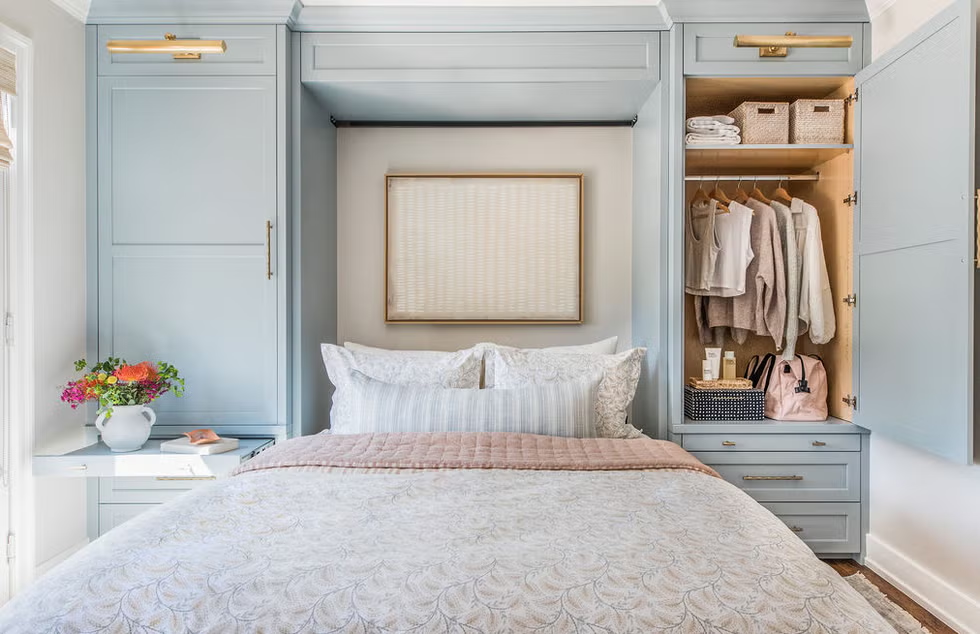
Studio apartment rule number one: every piece of furniture has to justify its existence.
Single-use furniture is the enemy of space. A couch that is just a couch, a coffee table that is just a coffee table — these things consume floor space without contributing much in return.
Furniture that serves more than one purpose is your ally.
Top Multi-Purpose Furniture Picks
| Furniture Item | Main Use | Additional Function |
|---|---|---|
| Storage ottoman | Seating / footrest | Hidden storage in the seat |
| Murphy bed | Wall décor when folded | Full bed at night |
| Sofa bed | Couch during the day | Guest bed at night |
| Nesting tables | Side tables | Stack to save space |
| Bench with storage | Entry seating | Shoe or blanket storage |
| Lift-top coffee table | Coffee table | Desk / dining surface |
Try searching secondhand or cheap furniture stores, thrift stores, Facebook Marketplace. You don’t have to spend a lot of money in order to be smart.
A storage ottoman, for instance, can take the place of a coffee table and also provide you with a spot to keep extra blankets, books or workout gear. That’s a double victory in the studio.
Hack #2 — Make Use of Vertical Space and Reclaim Wall Space
Most people do horizontal thinking while decorating. They furnish the floor area and ignore the walls.
In a studio apartment, vertical space is your secret square footage.
Walls can hold far more than just art. Think tall bookshelves, wall-mounted desks, floating shelves, pegboards and over-the-door organizers.
How to Use Your Walls Wisely
Floating shelves are one of the cheapest upgrades you can do. A trio of wooden shelves from a hardware store runs about $30 in many areas. Hang them over your desk, bed or couch to hold books, plants and other everyday items.
Pegboards can be really useful in kitchen areas and home offices. They allow you to keep tools, utensils or supplies visible and accessible without losing counter space.
Over-door organizers hang over the back of closet or bathroom doors. These are ideal for shoes, accessories, cleaning supplies or toiletries.
Tall bookshelves draw the eye upward, creating the illusion of higher ceilings. Opt for shelves that extend near the ceiling — they’re a great use of space, while making rooms feel more dramatic.
The goal is simple: don’t treat your walls like blank canvases anymore — treat them like prime real estate.
Hack #3 — Don’t Build Walls, Divide Your Space
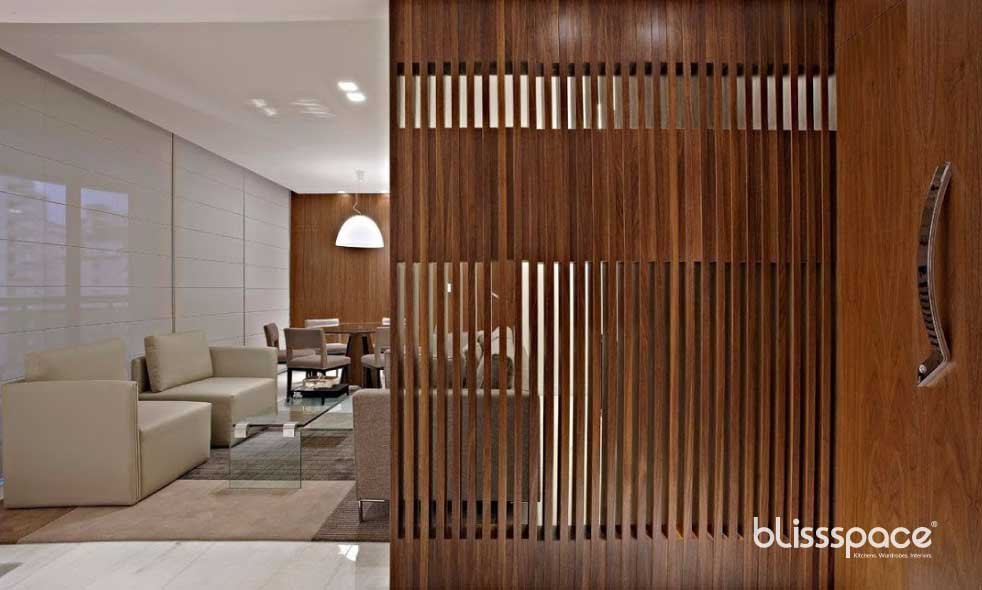
In a studio apartment, everything takes place in one open space. Without some sort of separation, the space can seem chaotic and small.
The challenge is to create zones — visual sections for sleep, living, work and eating — without building real walls.
Budget-Friendly Room Dividers
You do not need a contractor. Here are clever, affordable ways to partition a studio:
Bookshelves as dividers. A tall, open-backed bookshelf placed in the center of a room divides your bedroom from your living space. It also allows light to filter through and even serves as storage.
Curtains. Curtain rods attached to the ceiling allow you to hang fabric panels that slide open and closed. They are low-cost, simple to install, and available in hundreds of styles. Shut the curtain at night to create a more intimate feel in your sleeping area.
Rugs. This one surprises people. Putting a large rug underneath your couch and coffee table “claims” that space as the living room. Another rug under the bed delineates the bedroom zone. No wall needed.
Plants. A row of tall plants — snake plants, bamboo or fiddle-leaf figs — form a natural visual barrier. It adds a pop of life and color, bringing softness to the division between those zones.
Furniture placement. Simply turning a sofa so its back faces the sleeping area establishes an unmistakable boundary. Arrangement alone can split a room.
Hack #4 — Use Lighting to Make Rooms Feel Larger
Lighting is one of the most underrated tools in small-space decorating.
A single overhead light in a studio apartment creates flat, harsh illumination. It gives the room a sense of being exactly what it is — one small box.
Layered lighting, in contrast, adds depth and warmth.
The Three Layers of Light
| Layer | Type | Example |
|---|---|---|
| Ambient | General overhead light | Ceiling fixture, recessed lights |
| Task | Focused functional light | Desk lamp, reading lamp |
| Accent | Decorative mood light | String lights, candles, LED strips |
String lights are an extremely low-cost accent option. Hanging them on a wall or over a bed frame warms up the space, making it feel cozy instead of cramped.
Floor lamps in corners also contribute to the effect. When light bounces off walls, it makes a room feel larger. It’s a classic trick that interior designers use all the time.
Natural light deserves special mention. If your apartment has windows, don’t cover them with heavy drapes or furniture. Use translucent curtains to let in light while maintaining privacy. Hang mirrors next to windows to bounce that natural light further into the space.
Hack #5 — Mirrors Are Free Square Footage
If there is one single decor item that outperforms its size in a small apartment, it’s a mirror.
Mirrors reflect light and create the illusion of depth. A big mirror on a wall can literally double the perceived depth of a room. It’s one of the oldest tricks in interior design, and it costs next to nothing if you shop secondhand.
Clever Ways to Use Mirrors in a Studio
Full-length mirror on a wall. Lean it against a wall or mount it flush. Face it toward a window so the light can bounce off of it.
Mirrored furniture. Mirrored nightstands, dressers or accent tables reflect light throughout a room. They stand out without being visually heavy.
Mirrored backsplash in the kitchen. Peel-and-stick mirror tiles are great behind a stovetop or counter. They brighten the space and help make a small kitchen feel more expansive.
Gallery of small mirrors. Cluster three to five differently shaped mirrors onto one wall. It looks like art while still doing the work of reflection.
Scour thrift stores, IKEA or end-of-season sales for mirrors. You can usually find a large floor mirror secondhand for less than $20.
Hack #6 — Use a Neutral Color Palette (With One Bold Accent)
Color has a huge impact on how small or big a room feels.
Dark colors absorb light and make walls feel closer. Light colors bounce light and push walls outward — at least visually.
For a studio apartment, the smart move is to go with a light base palette with one bold accent color.
Color Strategy for Small Spaces
Walls: White, off-white, pale gray or warm cream. These shades bounce light and create the illusion of higher ceilings.
Large furniture: Use neutral colors for sofas, beds and rugs — beige, light gray or natural wood tones. Neutrals don’t compete for attention, so the room feels calmer and more spacious.
Accent color: Choose a single pop of color and use it intentionally. A mustard yellow throw pillow, a forest green plant pot, a rust-colored lamp — these color accents give the apartment personality without overpowering it.
Avoid: Overdoing it with too many colors or patterns in a small space. It creates visual clutter, which makes rooms feel tighter and more chaotic.
Here is a simple color guide for reference:
| Color Type | Best Choices | What to Avoid |
|---|---|---|
| Wall paint | White, ivory, soft gray | Dark navy, deep charcoal |
| Furniture | Beige, natural wood, light gray | Multiple bold colors |
| Accents | One bold shade (any) | Too many competing tones |
| Textiles | Neutrals with one pattern | Busy, loud patterns everywhere |
Hack #7 — Declutter Ruthlessly and Store Smarter
No decor hack in the world can fix a cluttered space.
Clutter is the number one enemy of small apartments. It produces visual noise, occupies physical space, and makes an otherwise nicely decorated room feel messy and tight.
The first step is not buying storage bins. The first step is to get rid of things you don’t need.
The Studio Apartment Declutter Rule
For every item you own, ask yourself three questions:
- Am I using this at least once a month?
- Does it have a designated spot in my home?
- Would I buy it again today if I didn’t already own it?
If you answer “no” to two or more questions, that item likely does not need to be in your studio.
Once you’ve cut down your belongings, then invest in smart storage.
Storage Solutions That Work
Under-bed storage. This is some of the most wasted space in a studio. Low-profile plastic bins or vacuum storage bags under the bed can stash away out-of-season clothes, extra linens or bulky items.
Behind-door organizers. Already mentioned, but worth repeating. The backs of all doors are potential storage space.
Drawer dividers. Small bins or dividers installed inside drawers keep items organized and prevent the drawer from becoming a junk pile.
Labeled baskets on shelves. Open shelves look messy if things are scattered. Labeled, grouped baskets by category (cables, craft supplies, snacks) keep everything organized and allow for easy retrieval.
Vertical file organizers. Vertical file holders on a desk or shelf take up little room for paperwork, magazines or notebooks.
Hack #8 — Layer Textiles to Add Depth Without Taking Space
Layering textiles is one of the quickest and cheapest ways to make a studio apartment feel more like a home.
Textiles are soft furnishings: rugs, throw pillows, blankets, curtains and cushion covers. They bring warmth, texture and personality to a room without occupying floor space.
For even more inspiration on pulling a studio together from scratch, Studio Apartment Setup is a great resource packed with layout ideas and beginner-friendly decorating guides.
How to Layer Textiles in a Small Space
Start with a base rug. Pick out a sizable rug that can help ground your furniture. A rug that is too small makes a room feel smaller.
Group throw pillows in pairs or threes. Mix up textures — a knit pillow next to a velvet one, for instance. Keep the colors coordinated with your accent color strategy.
Drape a throw blanket. Toss it over the arm of your sofa or fold it at the foot of your bed. It brings color and texture without adding clutter.
Hang curtains high and wide. Mount curtain rods close to the ceiling, not at the top of the window frame. Hang them wider than the window itself. This makes windows look bigger and ceilings taller — all for the price of a $15 curtain rod.
Swap textile covers seasonally. You don’t need new furniture to refresh your space. Changing pillow covers and throw blankets with the seasons keeps your studio feeling fresh without spending much.
Quick-Reference Cheat Sheet: All 8 Hacks at a Glance
| Hack | Main Strategy | Approximate Cost |
|---|---|---|
| Multi-functional furniture | Replace single-use pieces | $0–$100 (thrift finds) |
| Vertical wall space | Floating shelves, pegboards | $15–$50 |
| Zone dividers | Curtains, rugs, bookshelves | $10–$80 |
| Layered lighting | Add task + accent lights | $10–$40 |
| Strategic mirrors | Large mirror near window | $5–$50 (secondhand) |
| Light color palette | Repaint + neutral base | $20–$60 |
| Declutter + smart storage | Under-bed bins, organizers | $10–$30 |
| Layered textiles | Rugs, throws, curtains | $15–$60 |
How These Hacks Work Together
The real magic is in combining these studio apartment space hacks as opposed to using them one at a time.
For example: Light walls + mirrors + layered lighting come together to maximize every ray of light in your apartment. The result feels like a completely different space.
Or: Zone dividers + textiles + furniture arrangement work in concert to create distinct areas within one room — so your studio feels like it has a bedroom, a living room and a workspace, even though it’s all technically one space.
Think of these hacks as a toolbox. Use as many as you can. Layer them intentionally. And keep in mind, you don’t have to do everything at once — even two or three of these changes can make a dramatic difference.
According to The Spruce’s guide to small space decorating, even minor layout and lighting adjustments can significantly change how spacious a room feels — which is exactly what these hacks are designed to do.
Frequently Asked Questions About Studio Apartment Space Hacks
Q1: What is the most important studio apartment space hack for someone on a very tight budget?
Decluttering. It doesn’t cost a dime and opens up more space right away. From then on, moving furniture around is free and can make an enormous difference in how open a room feels.
Q2: Is it okay to use dark colors in a studio apartment?
Yes, but strategically. Dark colors on one accent wall can impart drama without making the whole room seem smaller. If you want to keep the space feeling airy and light, avoid painting all four walls dark.
Q3: How can I make a studio apartment seem like it has different rooms?
Try room dividers such as curtains, bookshelves or rugs to delineate spaces. Strategic placement of furniture — such as a sofa with its back facing the sleeping area — also creates natural separation.
Q4: How do you light a small studio apartment best?
Layered lighting works best. Use a central ambient light source along with task lamps (desk, reading) and warm accent lights (string lights, floor lamps). Do not depend on one harsh overhead light fixture.
Q5: Where can I find affordable furniture for a studio apartment?
Check Facebook Marketplace, Craigslist, thrift stores, IKEA and end-of-season sales at furniture stores. Many multi-purpose items can be purchased secondhand for a fraction of their retail cost.
Q6: Does the size of a rug really matter in a small apartment?
Absolutely. A rug that is too small makes a room feel more cramped. Always size up. The front legs of sofas and chairs should sit on the rug — that’s the general rule for achieving a good fit.
Q7: Are these hacks renter-friendly? Can I use them in an apartment I don’t own?
Most of them, yes. Floating shelves make small wall holes, which can be patched when you move. Command strips work for lighter items. Curtains, rugs, mirrors, textiles and furniture arrangements require no permanent changes.
Closing It All Out — Your Studio Can Be Your Sanctuary
A studio apartment is not a limitation. It’s a design challenge — and in truth, an enjoyable one.
The right studio apartment space hacks can transform a single-room apartment into an intentional, organized, stylish and truly comfortable space. You do not need a big budget. It requires creative thinking and a willingness to do things differently.
Start with one hack. Then add another. Step back and simply observe the outcome.
A cozy, well-designed studio is not out of reach. It is already waiting for you — one clever choice at a time.