

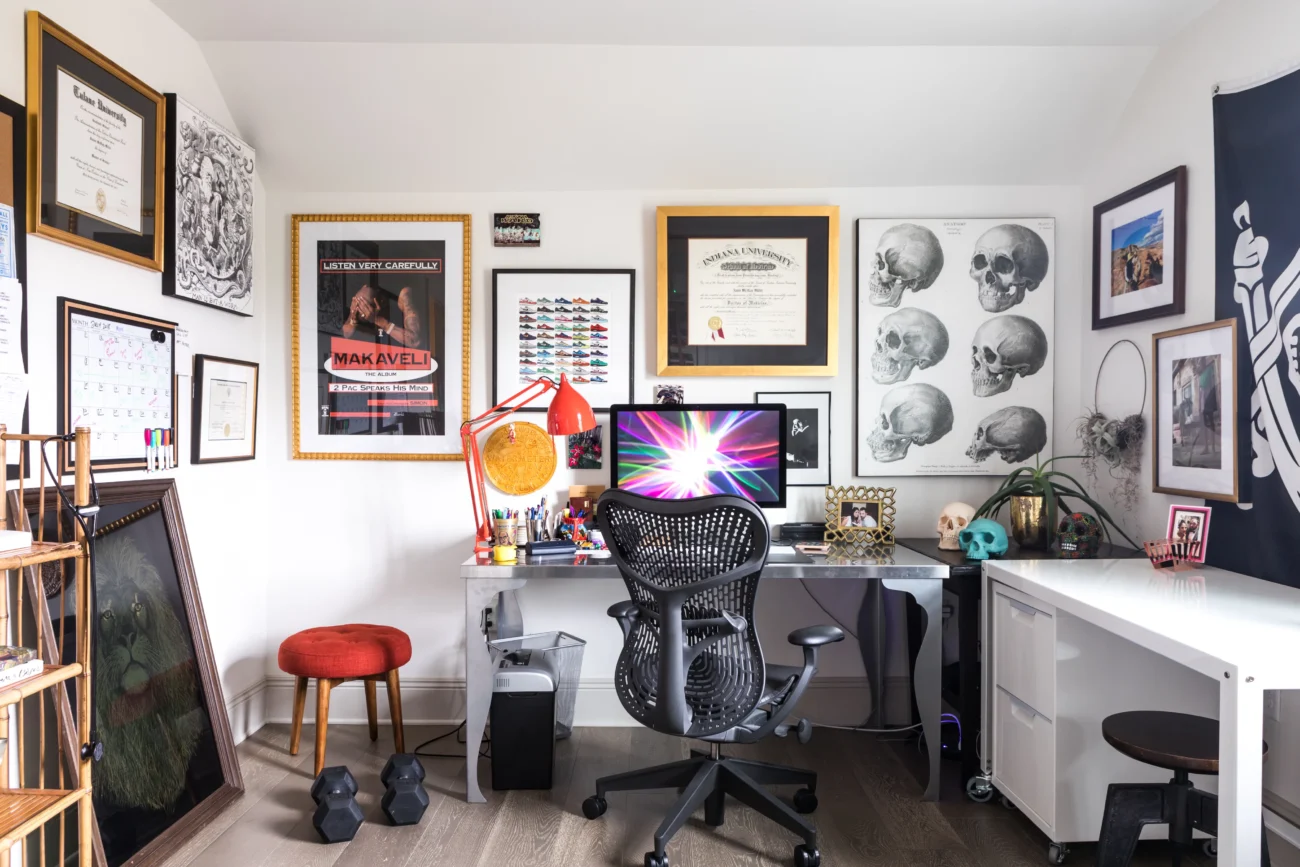
Living in a studio apartment means every square inch counts, especially when you’re trying to carve out a functional home office without sacrificing your living space. I’ve been there—balancing work calls on a tiny desk while staring at my bed just a few feet away. It’s a challenge, but with some smart tweaks, you can make it feel like you’ve got a dedicated workspace that doesn’t overwhelm the room. In this article, we’ll dive into 14 clever space hacks that transform cramped studios into efficient home offices. These ideas draw from real-life experiences, design tricks, and a bit of trial and error, all aimed at maximizing utility without breaking the bank or requiring major renovations.
Hack 1: Use Vertical Space with Wall-Mounted Desks
One of the simplest ways to free up floor space is by going vertical. Instead of a bulky traditional desk that hogs precious real estate, opt for a wall-mounted fold-down desk. These can be as basic as a wooden plank hinged to the wall or something more polished like a Murphy desk that folds away when not in use. Picture this: during the day, it’s your command center for emails and spreadsheets, and at night, it tucks neatly against the wall, leaving room for yoga or whatever unwind activity you prefer.
The beauty of this hack lies in its adaptability. In my old studio, I installed one above my couch, using brackets from a hardware store. It cost under $50, and I added a small shelf above for monitors or plants to soften the look. To make it even smarter, incorporate magnetic strips or pegboards on the wall nearby for holding pens, notes, and cables—keeping everything off the surface. This not only saves space but also reduces clutter, which is key in small areas where mess can quickly make things feel chaotic.
Consider the height carefully; you want it at elbow level when seated to avoid strain. If you’re renting, use damage-free Command hooks or tension rods for a no-drill option. Pair it with a slim stool that slides under when folded. Over time, I’ve found this setup encourages better posture because you’re not slouching over a coffee table. It’s a game-changer for those Zoom meetings, turning a corner into a professional nook without permanent changes.
Expanding on this, think about lighting. Wall-mounted desks often sit in dim spots, so add adjustable LED strips underneath or a clip-on lamp. For storage, floating shelves can hold binders or a printer, stacked vertically to mimic a mini office tower. If you’re crafty, DIY a version with reclaimed wood for that personal touch—it adds character and makes the space feel less generic. In terms of ergonomics, ensure your chair aligns properly; I once used a bar stool that was too high, leading to backaches, so test it out first.
This hack isn’t just about space; it’s about mindset. By elevating your workspace literally, you create a mental separation from relaxation zones. Studies show that defined areas boost productivity, even in tiny homes. If budget allows, look into motorized versions that adjust height for standing work, combating the sedentary lifestyle many remote workers face. All in all, vertical desks prove that thinking up instead of out can revolutionize a studio’s layout.
Hack 2: Multi-Functional Furniture Pieces
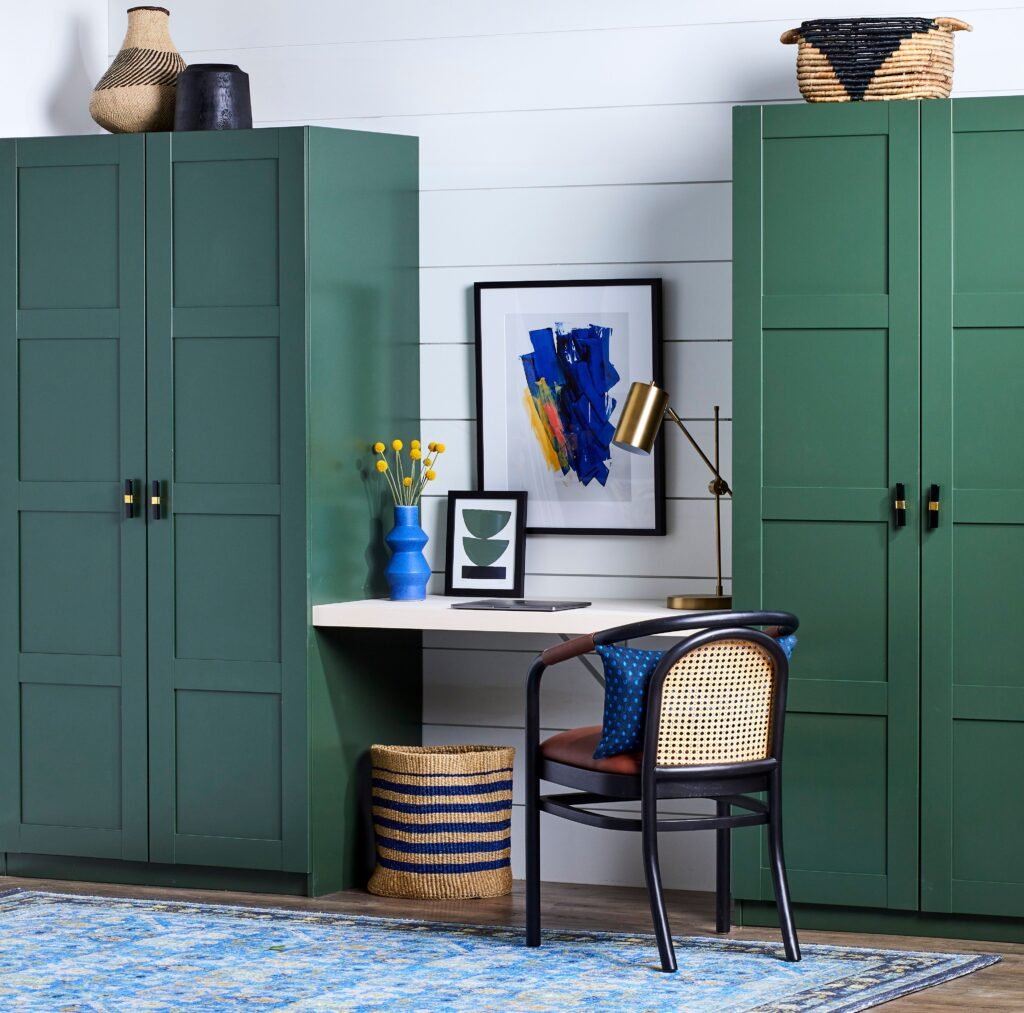
In a studio, furniture has to pull double duty. Invest in pieces that serve as both office and living essentials. A classic example is an ottoman with hidden storage that doubles as a footrest or side table but opens up to hold files and a laptop. Or consider a sofa bed with built-in drawers underneath for office supplies.
I remember furnishing my first studio and choosing a coffee table that lifts to desk height. It was perfect—mornings for work, evenings for dinners. The key is selecting items with clean lines to avoid visual clutter. Materials like light wood or glass help maintain an airy feel.
To implement, measure your space meticulously. Ensure the piece fits without blocking pathways. Add casters to heavier items for easy repositioning. For tech, use cable management sleeves to keep cords tidy when switching modes.
This approach saves money too, as you’re buying fewer items. Think about a bookshelf that acts as a room divider, creating a pseudo-office zone. Stock the lower shelves with work gear and upper ones with decor to blend seamlessly.
Pros include versatility, but watch for durability—cheaper multi-functionals might wobble. Test in-store if possible. Ultimately, this hack teaches resourcefulness, turning one item into many roles.
Hack 3: Mirror Tricks for Illusion of Space
Mirrors aren’t just for checking outfits; they’re spatial magicians in small apartments. Place a large mirror opposite your workspace to reflect light and make the room feel double-sized. This optical illusion can make a cramped corner office seem expansive.
In practice, lean a full-length mirror against the wall behind your desk or hang one horizontally to mimic a window. It bounces natural light, reducing the need for harsh overheads. I used this in a dim studio, and it transformed the vibe—suddenly, my tiny desk area felt open and inviting.
Combine with strategic placement: avoid reflecting clutter, aim for clean views. For added function, choose mirrors with shelves or hooks for hanging headphones or calendars.
This hack enhances mood too; brighter spaces combat cabin fever. If you’re artistic, frame it with washi tape for a custom look without commitment.
Drawbacks? Dust accumulates quickly, so wipe regularly. But the payoff in perceived space is huge, especially for video calls where backgrounds matter.
Hack 4: Under-Bed Storage for Office Supplies
Don’t overlook the space under your bed—it’s prime real estate for stashing office gear. Use rolling bins or vacuum-sealed bags to store extra paper, cables, and even a portable printer.
Organize by category: one bin for tech, another for stationery. Label them for quick access. In my setup, I had a low-profile drawer system that slid out easily, keeping everything dust-free.
This frees up visible areas, maintaining a serene living space. For elevated beds, stack higher containers. If your bed’s low, risers can add inches.
It’s eco-friendly too—repurpose old shoe organizers. Just ensure items are protected from moisture if your floor’s prone to it.
This hack promotes minimalism; out of sight means less visual noise, aiding focus.
Hack 5: Cord Management Systems
Tangled cords are the bane of small spaces. Implement a system with velcro ties, cable clips, and under-desk trays to keep them organized.
Route cords along baseboards or behind furniture. Use a power strip with USB ports mounted under the desk to centralize charging.
I once had a mess that tripped me daily; switching to labeled sleeves changed everything. It’s not glamorous, but it prevents hazards and streamlines cleaning.
For wireless options, invest in Bluetooth peripherals to reduce cords altogether.
This maintains aesthetics and safety, crucial in tight quarters.
Hack 6: Foldable Chairs and Portable Setups
Embrace portability with foldable chairs that hang on walls or stack away. Pair with a lightweight lap desk for flexible working spots—like bed or balcony.
Materials matter: choose ergonomic designs to avoid discomfort. I favored a bamboo chair that folded flat, storing behind the door.
This allows reconfiguration based on mood or light. For guests, it doubles as extra seating.
Downside: less stability than fixed chairs, so test weight limits.
Hack 7: Window Sill Workstations
If you’ve got a wide sill, turn it into a desk with a custom board or cushion. Add organizers for pens and a small lamp.
Natural light boosts productivity; I loved working here for creative tasks. Secure with non-slip mats to prevent slips.
For privacy, add sheer curtains. It’s ideal for plants too, greening your office naturally.
Hack 8: Closet Conversions
Transform a closet into a “cloffice” by removing doors and adding shelves, a desk surface, and lighting.
Install pull-out keyboard trays and pegboards inside. Close curtains when done to hide it.
My cloffice held monitor, files, and even a mini fridge. Ventilation is key—add a fan if stuffy.
This maximizes unused space brilliantly.
Hack 9: Magnetic Walls for Organization
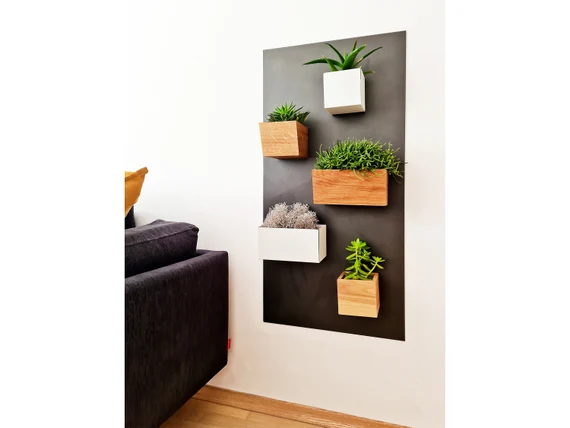
Paint a wall with magnetic primer or use sheets for a customizable board. Stick notes, photos, tools directly.
It’s interactive and fun—rearrange as needed. I used it for mood boards and task lists.
Safe for rentals with removable options. Enhances creativity in work.
Hack 10: Layered Lighting Solutions
Mix ambient, task, and accent lights. Use floor lamps with adjustable arms, string lights for warmth, and desk lamps for focus.
Dimmers control mood; smart bulbs allow app control.
In dark studios, this prevents eye strain. I layered for a cozy yet professional feel.
Hack 11: Room Dividers with Storage
Screen off your office with dividers that have pockets or shelves. Bookshelves or tension rods with curtains work.
Adds privacy and storage. Fabric dividers muffle sound too.
Customizable with fabric choices to match decor.
Hack 12: Tech Mounts and Arms
Mount monitors on arms to free desk space. Adjustable for ergonomics.
Wall-mount tablets for secondary screens. Keeps surfaces clear.
I mounted my setup, gaining room for notebooks. Reduces neck strain.
Hack 13: Plant Integration for Wellness
Incorporate plants on shelves or hanging pots around your office. They purify air and add life.
Low-maintenance like succulents suit busy folks. I had a vertical garden that doubled as decor.
Boosts mental health, per research.
Hack 14: Minimalist Digital Tools
Go paperless with apps for notes, scanning, and storage. Reduces physical clutter.
Use cloud services for files, virtual desktops for organization.
This hack complements physical ones, ensuring a streamlined workflow.
In wrapping up, these hacks show that with creativity, a studio can house a thriving home office. Experiment, adapt to your needs, and enjoy the efficiency. It’s about making space work for you, not the other way around.