

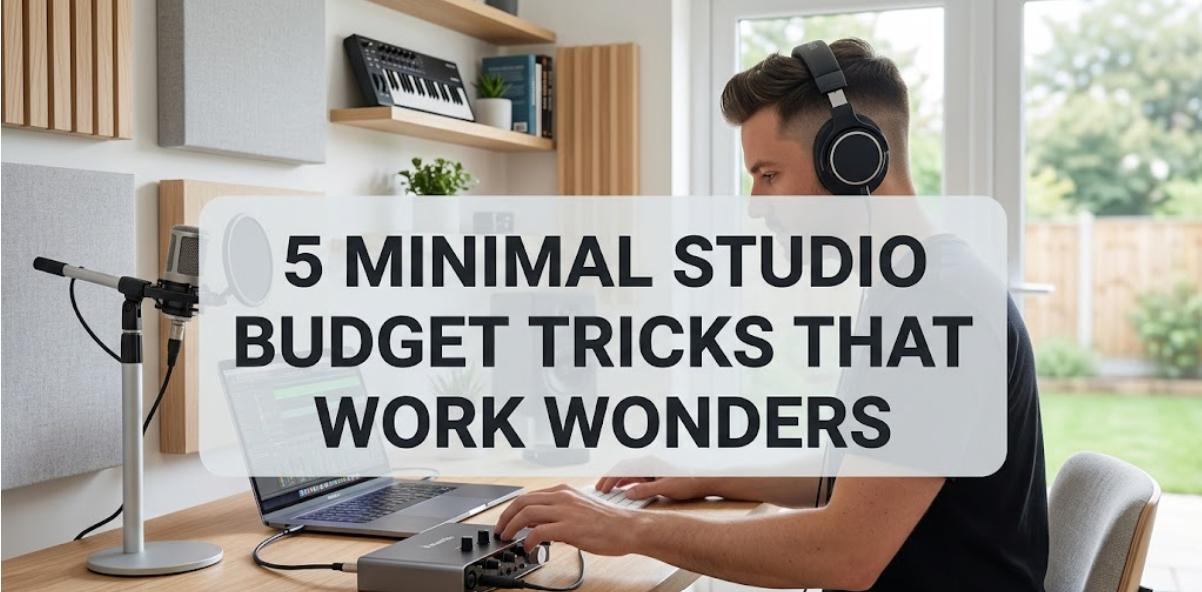
Living in a studio apartment comes with a unique mix of charm and constraint. There’s something undeniably appealing about a compact, efficient space where everything is within reach. Yet, the biggest challenge often lies in making that limited space feel functional, comfortable, and visually pleasing—without draining your wallet.
Minimalism and budgeting go hand in hand when it comes to studio living. The fewer things you own, the less you spend, maintain, and worry about. But minimal doesn’t mean boring, and budget doesn’t mean compromising on quality or aesthetics. With the right approach, you can create a space that feels thoughtfully designed, practical, and even luxurious in its simplicity.
This article explores five minimal studio budget tricks that genuinely work. These are not abstract ideas or trendy buzzwords—they are practical strategies that can reshape how you think about space, spending, and everyday living. Along the way, you’ll also find tables and structured insights to help you plan and execute these ideas effectively.
trick 1: prioritize multi-functional furniture over quantity
One of the most common mistakes in studio living is trying to fit too many single-purpose items into a small area. This leads to clutter, wasted money, and a cramped environment. The smarter approach is to invest in fewer pieces that serve multiple functions.
For example, instead of buying a separate bed, sofa, and storage unit, you can opt for a sofa bed with built-in drawers. A foldable dining table can double as a workspace. An ottoman can serve as seating, storage, and even a coffee table.
The key idea is not just saving space—it’s maximizing the value of every item you purchase.
table: comparison of single-purpose vs multi-functional furniture
| Item Type | Single-Purpose Example | Multi-Functional Alternative | Average Cost Difference | Space Saved |
|---|---|---|---|---|
| Bed | Standard bed | Sofa bed with storage | +15–25% upfront | High |
| Table | Dining table | Foldable wall-mounted table | -10–20% overall | Very High |
| Storage | Standalone cabinet | Bed with drawers | Neutral | Medium |
| Seating | Chair | Storage ottoman | Slight increase | Medium |
Even though multi-functional furniture may cost slightly more upfront, it reduces the need for additional purchases. Over time, this leads to significant savings.
Another benefit is psychological: fewer items mean less decision fatigue and easier maintenance. Cleaning becomes faster, organizing becomes simpler, and your studio starts to feel more open.
trick 2: adopt a “buy later” mindset instead of bulk buying
When moving into a studio, it’s tempting to buy everything at once—decor, kitchen tools, organizers, and more. This often results in unnecessary spending and items that don’t truly fit your lifestyle.
A minimal budget trick that works wonders is delaying non-essential purchases. Start with the basics and gradually add items only when you feel a genuine need.
This approach helps you avoid impulse buying and ensures that every purchase has a purpose.
table: phased purchasing strategy
| Phase | Focus Items | Budget Allocation (%) | Notes |
|---|---|---|---|
| Week 1 | Bed, basic kitchenware, lighting | 50% | Essentials only |
| Week 2–4 | Storage, seating, small appliances | 30% | Based on actual usage |
| Month 2+ | Decor, upgrades, extras | 20% | Only if needed |
By spreading your purchases over time, you also gain clarity about your habits. For instance, you may realize you don’t need a large dining table because you rarely host guests, or that you prefer floor seating over chairs.
This method naturally aligns with minimalism because it filters out excess. It also protects your budget by eliminating waste.
trick 3: use vertical space creatively
In a studio, floor space is limited, but vertical space is often underutilized. Walls are not just boundaries—they are opportunities.
Installing shelves, hooks, and hanging organizers can dramatically increase storage without adding clutter. More importantly, vertical storage keeps the floor clear, making the room feel larger.
You don’t need expensive installations. Simple floating shelves or even DIY wall-mounted solutions can do the job effectively.
table: vertical space utilization ideas
| Area | Solution | Cost Range | Impact Level |
|---|---|---|---|
| Kitchen | Hanging racks for utensils | Low | High |
| Living area | Floating shelves | Low-Medium | High |
| Entryway | Wall hooks for bags/keys | Low | Medium |
| Sleeping zone | Over-bed shelving | Medium | High |
Vertical organization also improves accessibility. When items are visible and within reach, you’re less likely to buy duplicates or forget what you already own.
Another subtle advantage is visual structure. A well-organized wall can act as both storage and decor, eliminating the need for additional decorative items.
trick 4: focus on lighting instead of expensive decor
Many people spend heavily on decor—artwork, vases, rugs—hoping to make their studio look appealing. While decor has its place, lighting often has a far greater impact at a lower cost.
Good lighting can transform the mood of a space, making it feel warm, spacious, and inviting. Poor lighting, on the other hand, can make even a well-decorated room feel dull.
Instead of buying multiple decorative items, invest in a few strategic lighting solutions.
table: lighting vs decor impact comparison
| Element | Average Cost | Visual Impact | Practical Benefit |
|---|---|---|---|
| Wall art | Medium | Medium | Low |
| Rugs | Medium-High | Medium | Medium |
| Floor lamp | Low-Medium | High | High |
| LED strips | Low | High | Medium |
Layered lighting works best. Combine ambient lighting (ceiling light), task lighting (desk lamp), and accent lighting (LED strips or floor lamps).
Warm light tones can make a small studio feel cozy, while strategically placed lights can highlight certain areas and create the illusion of zones within a single room.
Lighting is also flexible. Unlike furniture, it’s easy to move, adjust, or upgrade without major expense.
trick 5: embrace “less but better” purchasing decisions
Minimalism is not about buying the cheapest option—it’s about buying fewer, better things. This principle is crucial for maintaining a sustainable studio budget.
Cheap items often need frequent replacement, which increases long-term costs. On the other hand, slightly higher-quality items tend to last longer and perform better.
The idea is to evaluate purchases based on value over time rather than just initial price.
table: cost vs longevity comparison
| Item Type | Cheap Option Lifespan | Quality Option Lifespan | Long-Term Cost Efficiency |
|---|---|---|---|
| Kitchen utensils | 6–12 months | 3–5 years | High |
| Bedding | 1 year | 3–4 years | High |
| Storage bins | 1–2 years | 4–6 years | Medium-High |
This doesn’t mean you need to spend a lot. It means being selective. Instead of buying five low-cost items, buy one reliable piece that serves you well.
Over time, this approach reduces clutter, improves functionality, and keeps your budget under control.
bringing it all together
These five tricks are powerful on their own, but their real strength lies in how they work together.
Multi-functional furniture reduces the number of items you need. A delayed purchasing mindset ensures you only buy what matters. Vertical storage maximizes space efficiency. Smart lighting enhances aesthetics without excess decor. And thoughtful purchasing decisions ensure long-term value.
When combined, these strategies create a studio environment that feels intentional rather than improvised.
chart: overall impact of the five tricks
| Trick | Cost Savings | Space Efficiency | Ease of Implementation |
|---|---|---|---|
| Multi-functional furniture | High | High | Medium |
| Buy later mindset | High | Medium | High |
| Vertical space usage | Medium | High | High |
| Lighting focus | Medium | Medium | High |
| Less but better purchasing | High | Medium | Medium |
You don’t need to apply everything at once. Even adopting one or two of these ideas can lead to noticeable improvements.
faq section
- how can i make my studio look bigger without spending much?
Focus on decluttering, using vertical storage, and improving lighting. Mirrors and light-colored walls can also create the illusion of space without significant expense. - is multi-functional furniture worth the cost?
Yes, especially in a studio. While the upfront cost may be slightly higher, it replaces multiple items, saving both money and space in the long run. - how do i avoid overspending when setting up a studio?
Adopt a phased purchasing strategy. Start with essentials and gradually add items based on actual needs rather than assumptions. - what is the biggest mistake people make in studio budgeting?
Buying too many items too quickly. This leads to clutter, wasted money, and a lack of cohesion in the space. - can minimalism feel cozy or will it look empty?
Minimalism can absolutely feel cozy. The key is thoughtful selection—warm lighting, soft textures, and a few meaningful items can create a comfortable atmosphere. - how do i balance quality and affordability?
Look for durable, well-reviewed items rather than the cheapest options. Consider long-term value instead of just the initial price.
final thoughts
A studio apartment doesn’t have to feel limiting. In fact, it can become a space that encourages smarter decisions, intentional living, and creative problem-solving.
Budget constraints often lead to better outcomes because they force you to prioritize what truly matters. By focusing on functionality, timing, and thoughtful choices, you can create a studio that feels both practical and inspiring.
These minimal budget tricks are not about restriction—they’re about clarity. And once you experience the benefits, you may find that less really does give you more.