
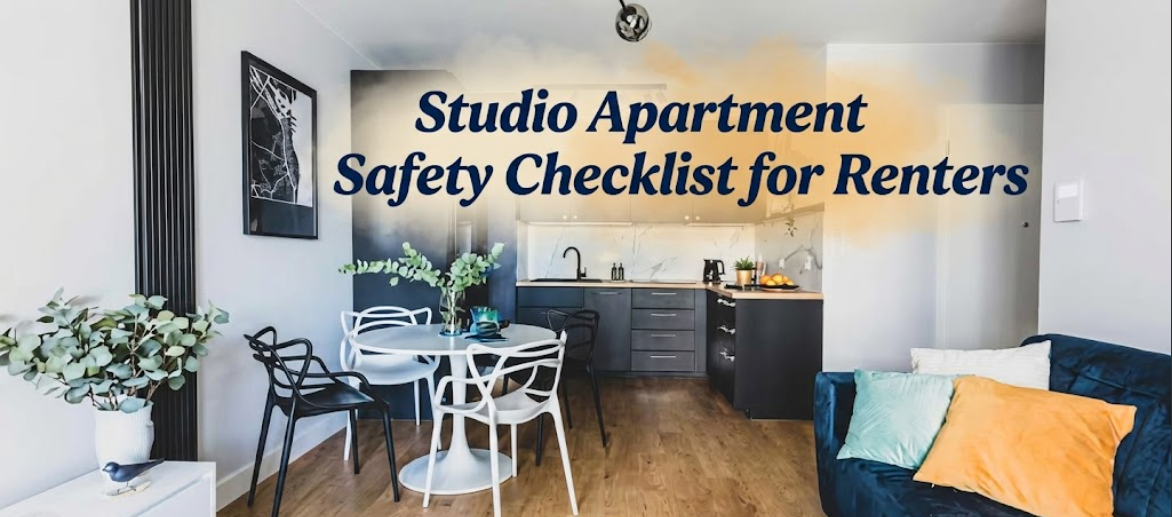
A lot of renters assume a studio is somehow safer by default. Everything is in one room, you can see the whole apartment from the doorway, what’s there to overlook? That assumption is exactly how people end up with one smoke detector for the entire unit, a power strip running a space heater and a microwave off the same outlet, and a door chain they’ve never actually used. Small square footage does not mean fewer hazards. It often means the same hazards packed closer together.
1. Fire Safety Gets Trickier in a Single Room, Not Easier
In a studio, your kitchen, your bed, and your only exit are usually within twenty feet of each other. That’s the part people miss. A grease fire on the stove isn’t a kitchen problem you can close a door on, it’s happening a few steps from where you sleep.
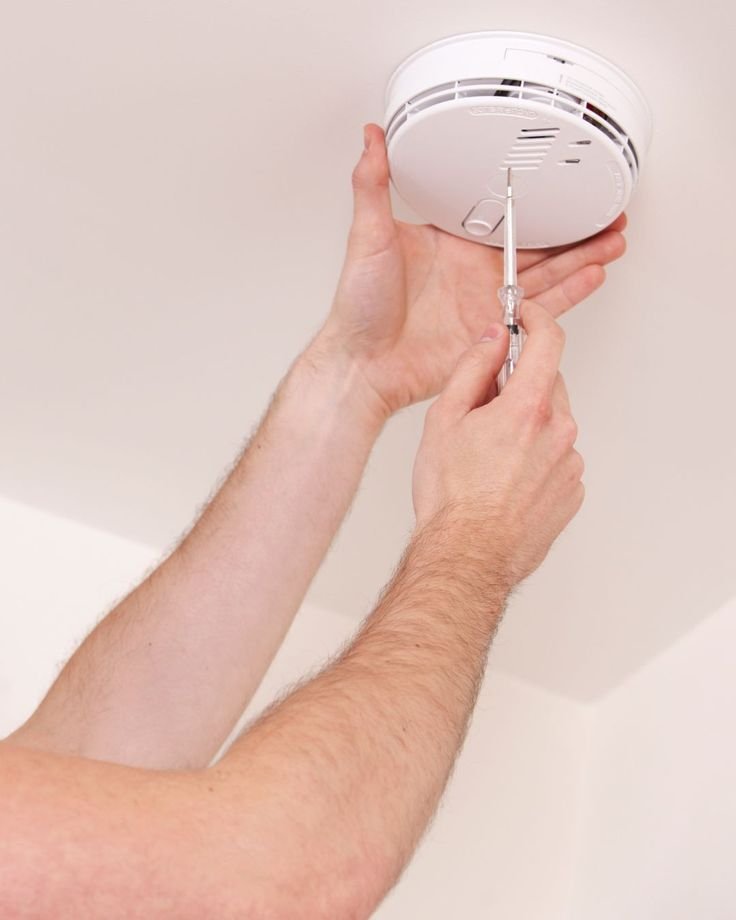
Start with the basics and actually check them, don’t assume the last tenant did. Test the smoke detector by pressing the button, not just glancing at it. If it’s not within 10 feet of the kitchen area (most local fire codes have a minimum distance, but check yours specifically, since they vary by city and even by building age), say something to the landlord rather than living with it as-is. Keep a small Class B:C fire extinguisher somewhere you can grab it from the kitchen side of the room within a few seconds, not buried in a closet across the apartment.
And know your way out before you need to. A lot of studios, especially in older converted buildings, have only one real exit. If yours is on a high floor, take five minutes to actually locate the building’s fire escape or secondary stairwell the week you move in, not the night something goes wrong.
2. The Outlet Math Nobody Does
Studios tend to have fewer outlets relative to how much gets plugged in, since one wall is doing the job a kitchen, an office, and a living room would normally split between them. This is where overloaded power strips become a real fire risk instead of a minor annoyance.
A space heater alone can pull close to 1,500 watts, which is close to the limit of a standard household circuit by itself. Add a microwave, a mini fridge, and a laptop charger to the same strip and you’ve got a setup that trips breakers on a good day and overheats on a bad one. Space heaters specifically should go straight into a wall outlet, never into a power strip or extension cord, and never run unattended or overnight.
If your bathroom or kitchenette doesn’t already have GFCI outlets (the ones with the test and reset buttons built in), that’s worth flagging to the landlord directly. This is one of the questions we’d suggest folding into what to ask your landlord before moving into a studio, since it’s the kind of thing that’s far easier to ask about before you sign than to fix after.
3. Where People Actually Go Wrong: Disabling the Smoke Detector
This deserves its own section because it’s common enough to be its own category of mistake. In a studio, the smoke detector is often mounted near the kitchen because there’s nowhere else to put it, which means it goes off every time you sear something or the toaster runs a little too long.
The instinct is to pull the battery out or hold a towel under it until the beeping stops, and then just leave it that way. We’ve heard this from more than a few renters who didn’t think much of it until it became a problem during an actual fire, or during a routine inspection that flagged the unit. If the placement is genuinely bad, the fix is to ask the landlord to relocate it or add a hush button model, not to disconnect it. A smoke detector that’s annoying is still doing its job. One that’s unplugged is just decoration.
4. Locking Up a Room That’s Also Your Whole Apartment
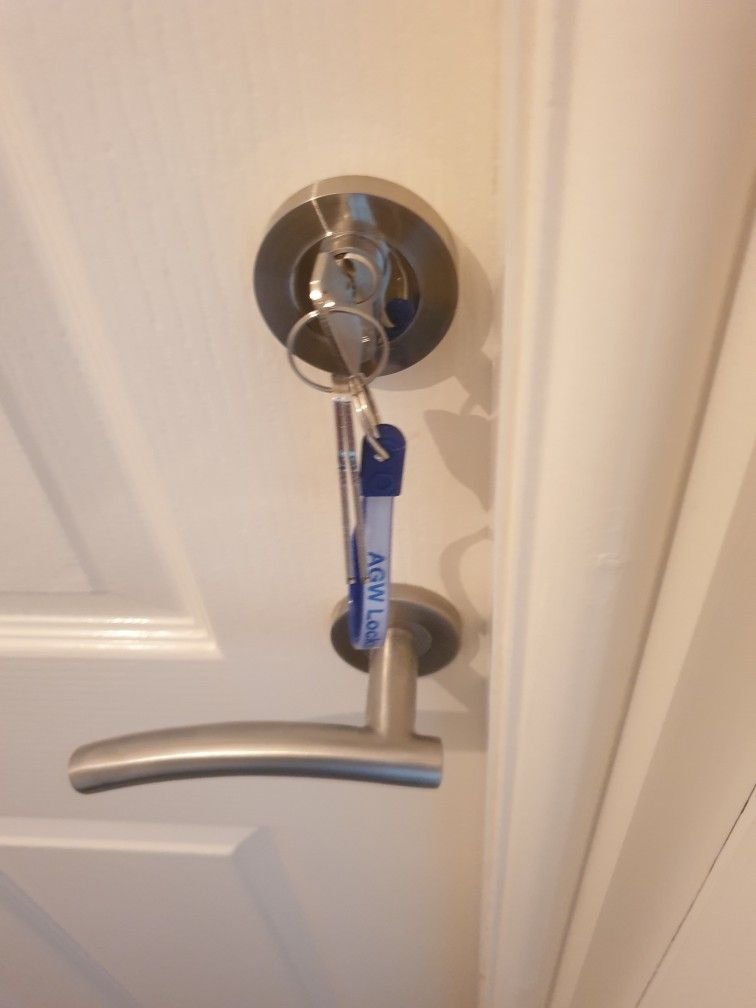
Ground-floor and street-facing studios deserve a little more attention here than upper-floor units, especially if the windows face a fire escape, alley, or accessible courtyard.
A few things worth doing in the first week:
- Test the deadbolt and door chain yourself, don’t trust that they work just because they’re installed
- Add a portable door lock or door brace if the building allows it, especially for ground-floor units
- Check that window locks actually engage, older buildings often have painted-over or rusted window latches that look fine but don’t catch
- Avoid listing your full name on a building directory or mailbox where it’s visible from outside, a habit that matters more in a studio since strangers learning your unit number also learn roughly how big a space you’re occupying alone
If you’re still in the apartment-hunting phase, a lot of this overlaps with what the five things to check before you sign a studio lease walks through, just from the angle of what to physically test rather than what to ask.
5. Carbon Monoxide and the Stuff You Can’t See or Smell
If your studio has a gas stove, a gas water heater anywhere in the building, or any kind of fuel-burning appliance, you need a carbon monoxide detector even if the building doesn’t legally require one for your specific unit. CO doesn’t announce itself the way smoke does. Headache, dizziness, and nausea are the early signs, and they’re easy to mistake for being tired or coming down with something.
Plug-in CO detectors are inexpensive and take about two minutes to install, which makes this one of the easier items on this whole list to actually act on instead of just noting and forgetting. It’s a good one to add to your list the same week you’re picking up the basic essentials you need for week one, since it belongs in the same category as a fire extinguisher: cheap now, genuinely useful if you ever need it.
Quick Reference: The Studio Safety Checklist
FIRE
[ ] Smoke detector tested and working
[ ] Fire extinguisher (Class B:C) within reach of kitchen
[ ] Know your primary AND secondary exit

ELECTRICAL
[ ] No space heater on a power strip or extension cord
[ ] GFCI outlets in kitchen and bathroom
[ ] No more than one major appliance per outlet

SECURITY
[ ] Deadbolt and chain tested personally
[ ] Window locks actually engage
[ ] Full name not visible on mailbox or directory

AIR QUALITY
[ ] CO detector installed if any gas appliance is present
[ ] Window or vent usable for airflow during cooking
Before You Move In, Not After
Most of this list takes under an hour to go through and costs less than a single takeout order if you need to buy a detector or an extinguisher. The hard part isn’t the list, it’s doing it during the first week instead of telling yourself you’ll get to it. We put a version of this same walkthrough into the complete guide to moving in on day one for exactly that reason, because the stuff that protects you is the stuff that’s easiest to keep postponing.
Frequently Asked Questions
Do studio apartments need a carbon monoxide detector even if there’s no gas stove? If any fuel-burning appliance exists anywhere in the building, including a shared gas water heater or furnace, it’s worth having one regardless of whether your unit has gas. CO can travel through shared walls and ventilation systems.
My smoke detector goes off every time I cook. Can I just take the battery out? No. Ask your landlord to relocate it or install a model with a hush or pause button instead. A working detector that’s occasionally annoying is far better than one that’s silent because it’s disconnected.
Is it safe to run a space heater overnight in a studio? It’s not recommended, regardless of apartment size. Space heaters should be plugged directly into a wall outlet, kept clear of bedding and curtains, and turned off when you’re asleep or out of the unit.
Should I get a portable door lock for a studio apartment? It depends on your building, but it’s a reasonable add for ground-floor units or anyone who wants an extra layer beyond the standard deadbolt. Check your lease first, since some buildings restrict hardware changes to the door itself.
Does renters insurance actually cover something like a kitchen fire in a studio? Most standard renters insurance policies cover fire damage to your personal belongings and can include liability if the fire affects neighboring units, though the specifics depend on your policy and provider. It’s worth a five-minute call to your insurer to confirm what’s included rather than assuming.